
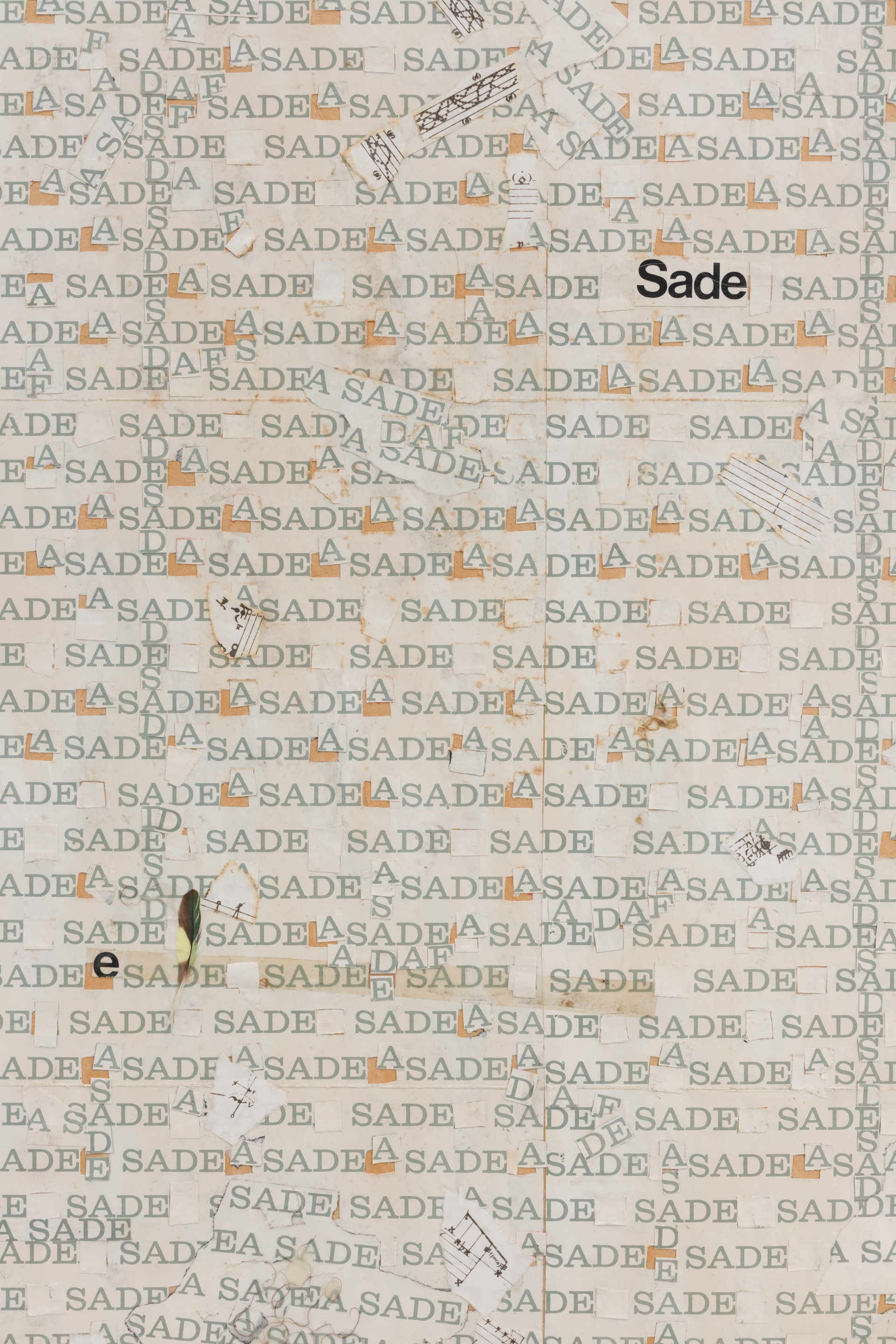
Sylvano Bussotti at Rose Easton and Champ Lacombe, London
Arlette & Sylvano Bussotti
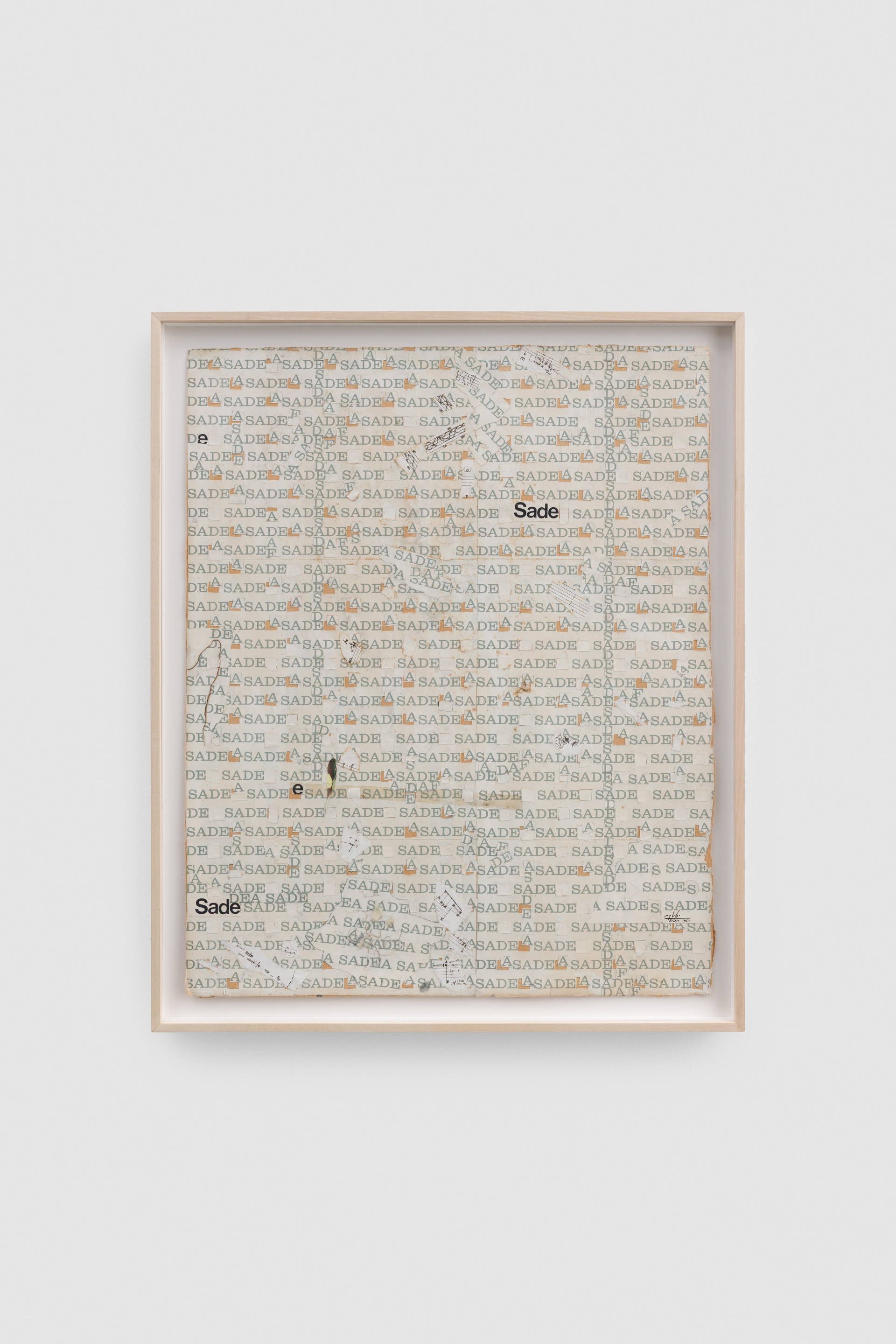
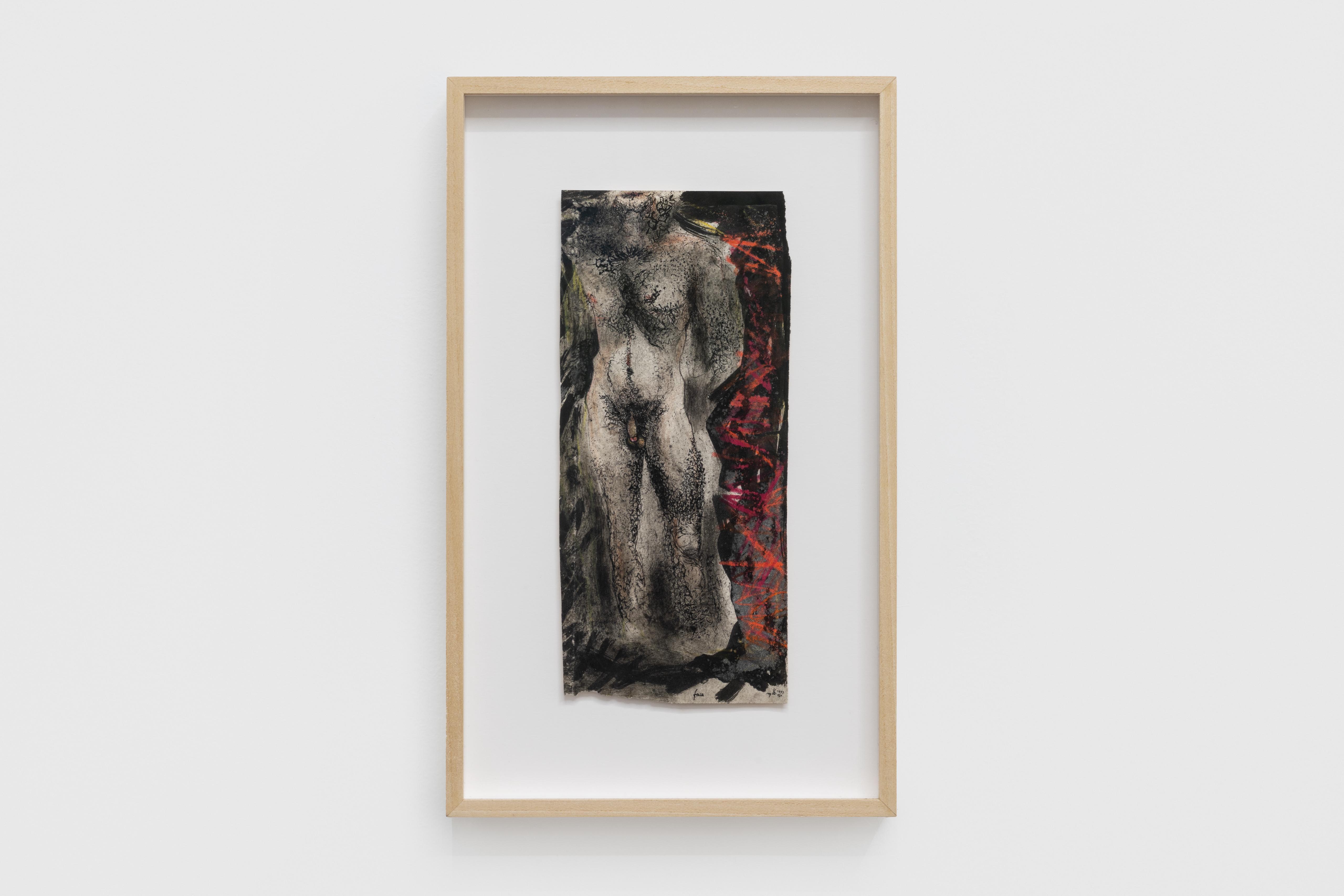
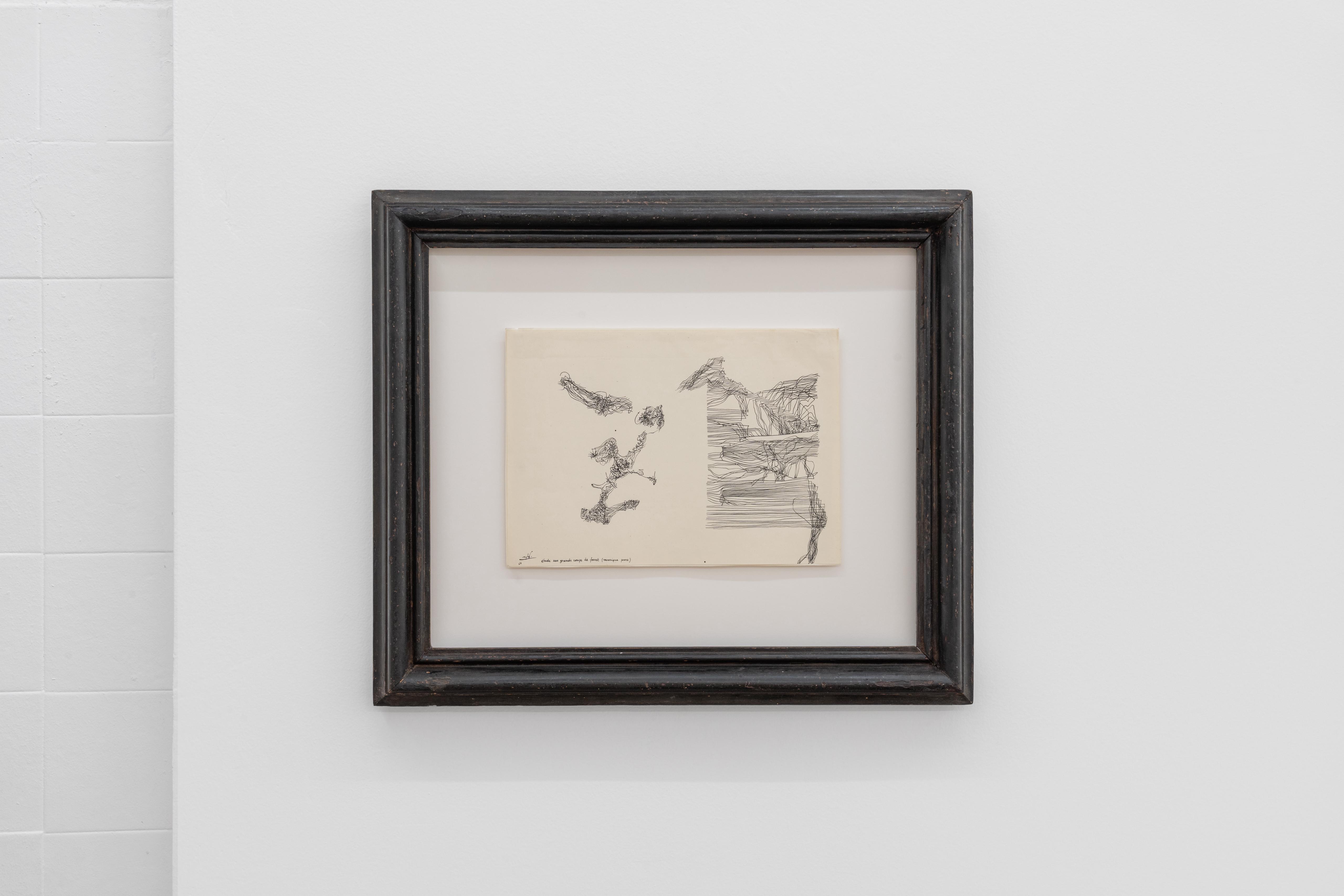
Rose Easton hosting zaza' for CONDO London 2026
1 / 0
There is an erotism to death, and being aware of it makes me feel I’m growing towards something. I can feel the sky closer and the dirt deeper. Somewhere in my spine or teeth I can feel your presence; you live in a dimension where I can only encounter you by feeling. I know you from intuition. Is there a better way of getting to know someone?
Death is the topic of this letter, and my confession is my recent fascination with it. I think you are an expert on it, and that’s what brings us here.
How many times have you died?
I feel haunted by the idea of disappearing and fascinated by the idea of dying. I’m entertained by how many times I have died in this body of mine. When will my last death be? Will I die as Arlette? Will I come back to this world as her? I hope neither.
I hope I die as someone I never thought I’d be, yet always sang about – further from where I call home but closer to what I felt unknown. Surrounded by everything I felt loved by and !nding love in everything I once feared. Contradicting myself fully and experiencing everything I promised I would never try. Accompanied by my biggest belief, freedom, but letting go of everything that I once felt mine. Somewhere where my intuition leads me to death, and what’s playing in the back is your symphony.
Apparently, your mother tongue was Italian, and you learned French and English while working. I think constantly of the beauty of being lost in translation. I !nd pleasure in it – in the attention, the sound, in the uncertainty and the story we tell each other. Let’s fall in love without the use of words and the company of silence. Let’s create a language only we can understand.
Your scores belong to your hand. Your code. Your body. And I’m drawn to that, to the unapologetic part of it.
Your freedom. I wish that for me – to !nd myself in different shapes, different rooms, different de!nitions, different arguments. I !nd people more convinced of who I am than I am. Their opinions of me feel stronger, louder, heavier than my own understanding of myself. And disappointing them has felt sad, almost cruel but quite funny. How can someone that met me 10 years or even a week ago still be so certain of who I am? I !nd it inevitable to change. I believe in encountering parts of you. There are parts of myself that remain asleep until another presence unlocks them. If someone were to capture you perfectly in words or an image would it feel like intimacy, exposure, or erasure?
Freedom is not doing everything; sometimes it’s stopping something. Freedom is my religion, my ritual, my repetition, and I’ve sinned enough by obeying. I have teeth. I need to chew on something; everything seems too digestible – sound, words, visuals, pain, trauma, war.
I’m softening, I’m guarding, I’m dissolving, and maybe I’m reappearing. This version of me needs to be encountered. Nothing is about me, and nothing I’ve created is mine, but in me you can !nd everything. May everything forever stay that way. Everything surrounds me, so what would you expect?
Do I have an audience? I’ll navigate without the validation of visibility. And this letter might serve as a gratitude and a goodbye to all, to myself and maybe even to metal – or whoever really cares, because why would people even care? This new version of me needs to be encountered, not fed. It needs to be chewed and then maybe swallowed, vomited, or spit back at me. Let’s confront each other.
Find me.
Admiration and love,
Arlette
Photo credits: Jack Elliot Edwards
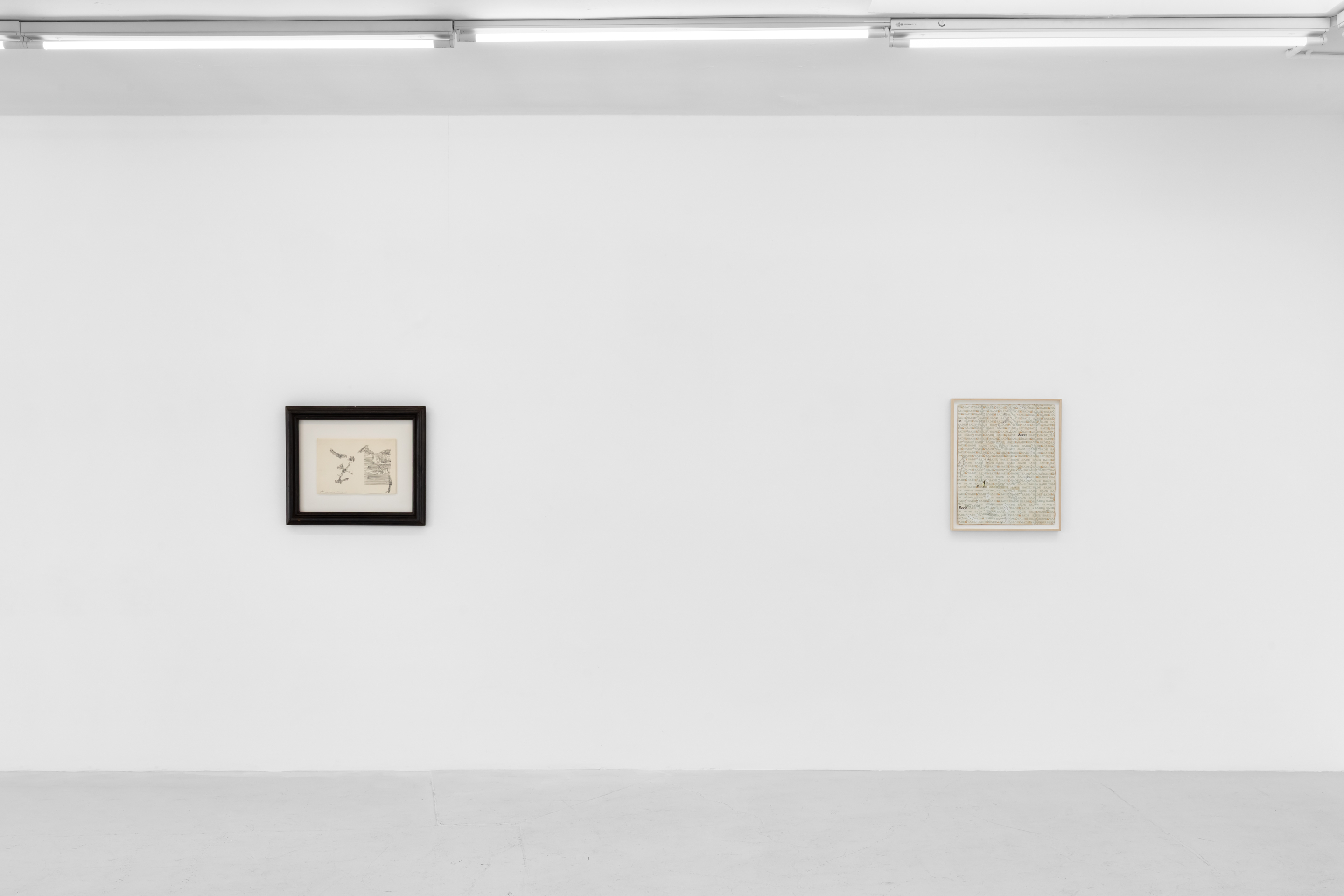
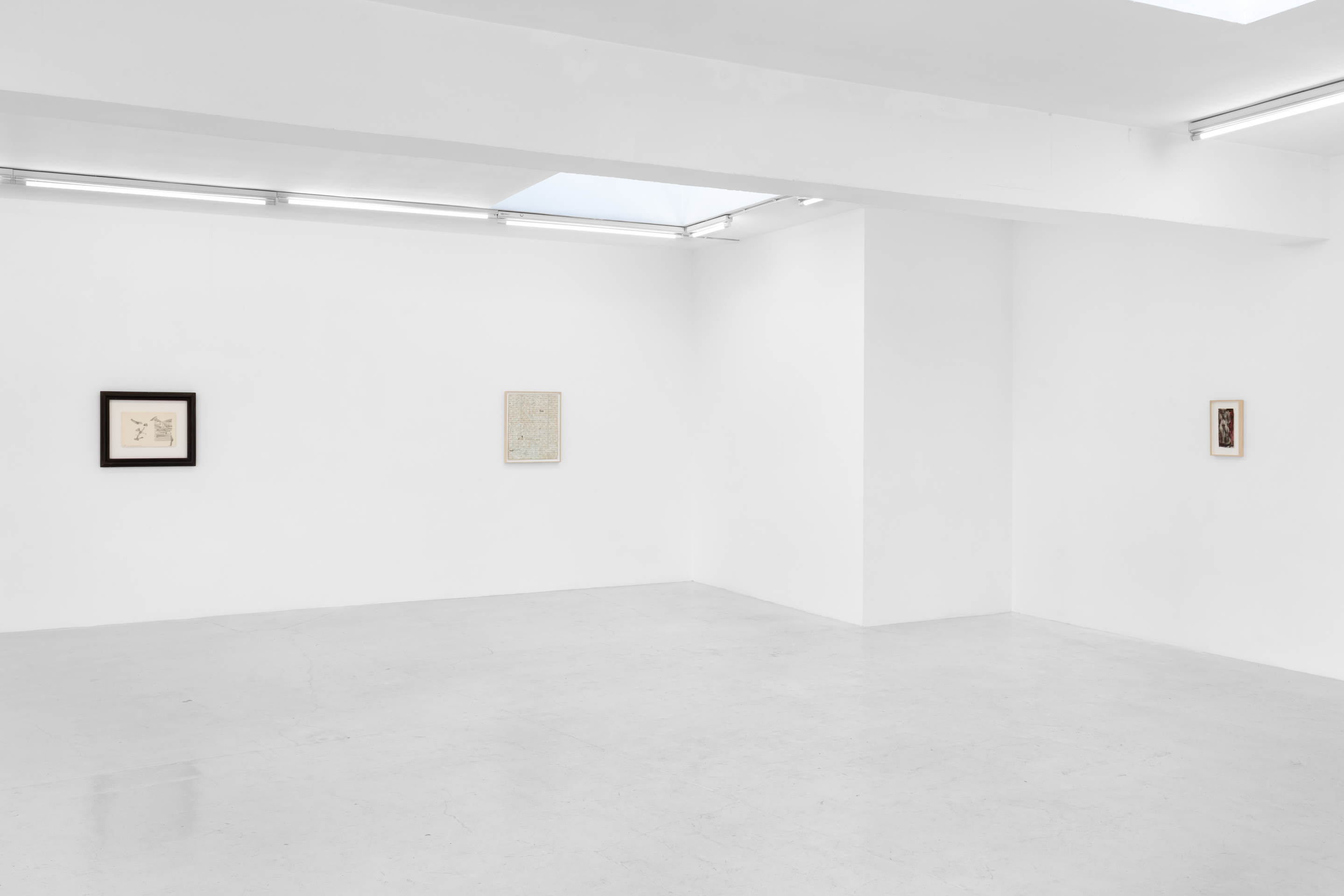
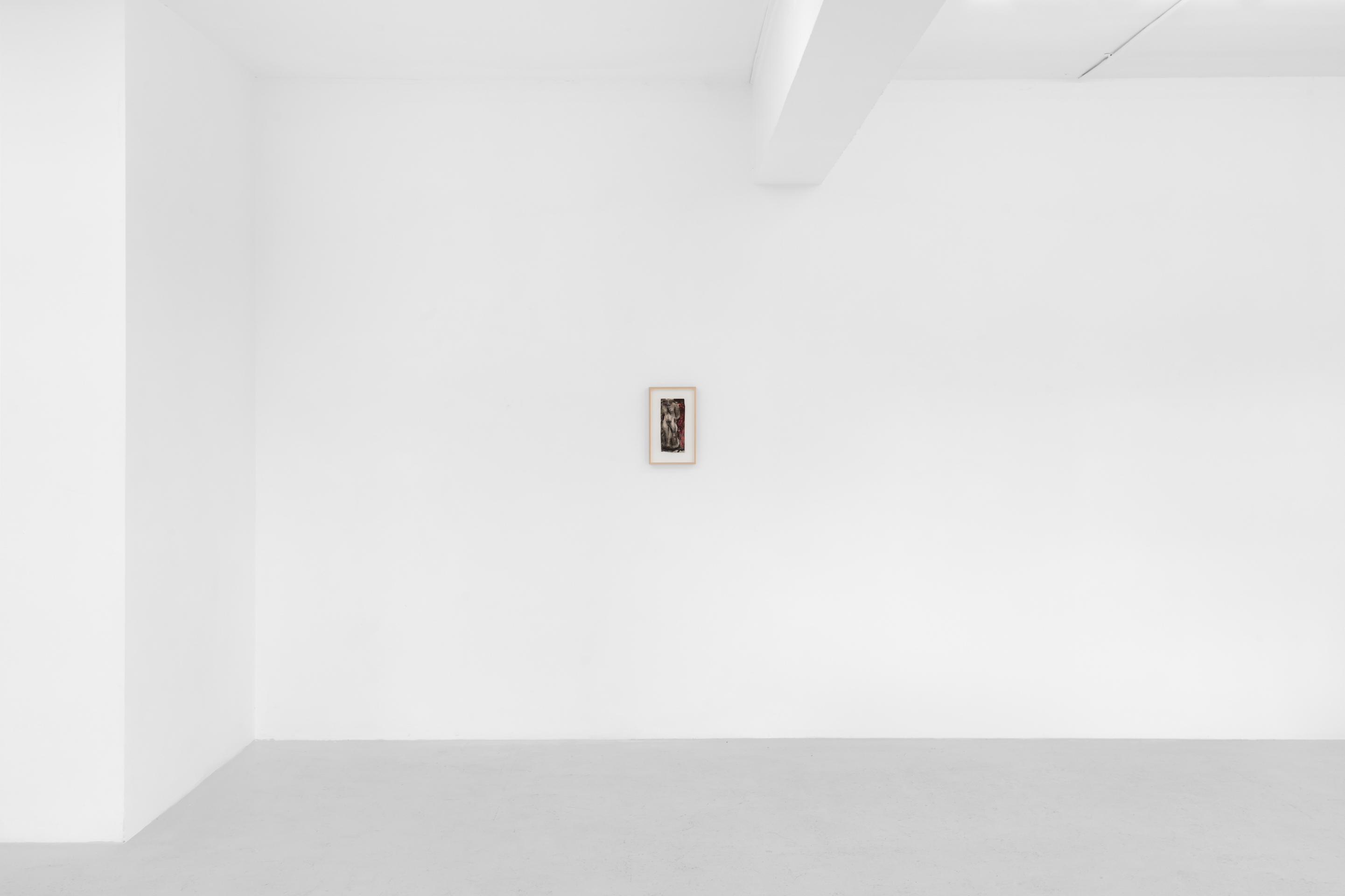
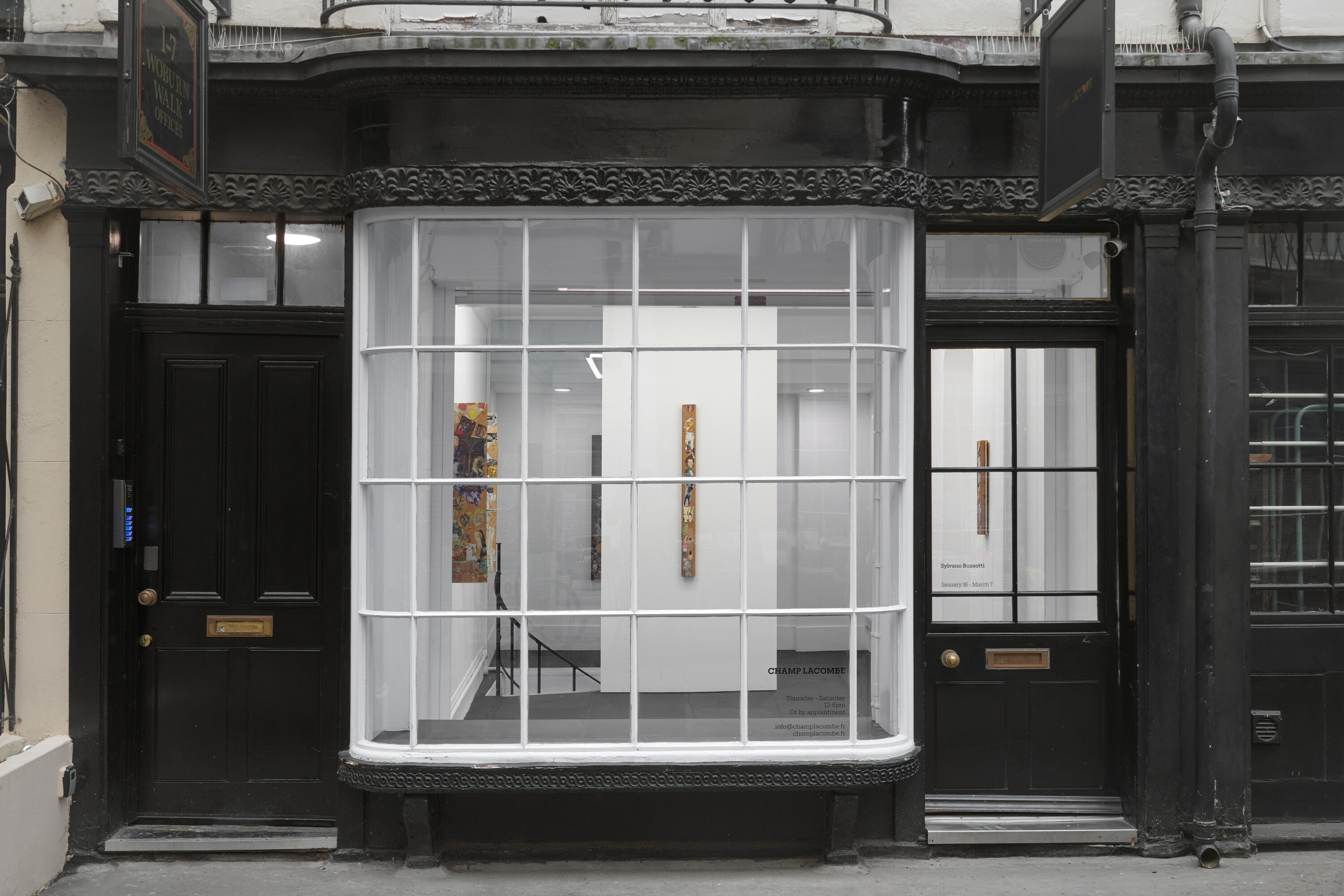
Collages at Champ Lacombe, London
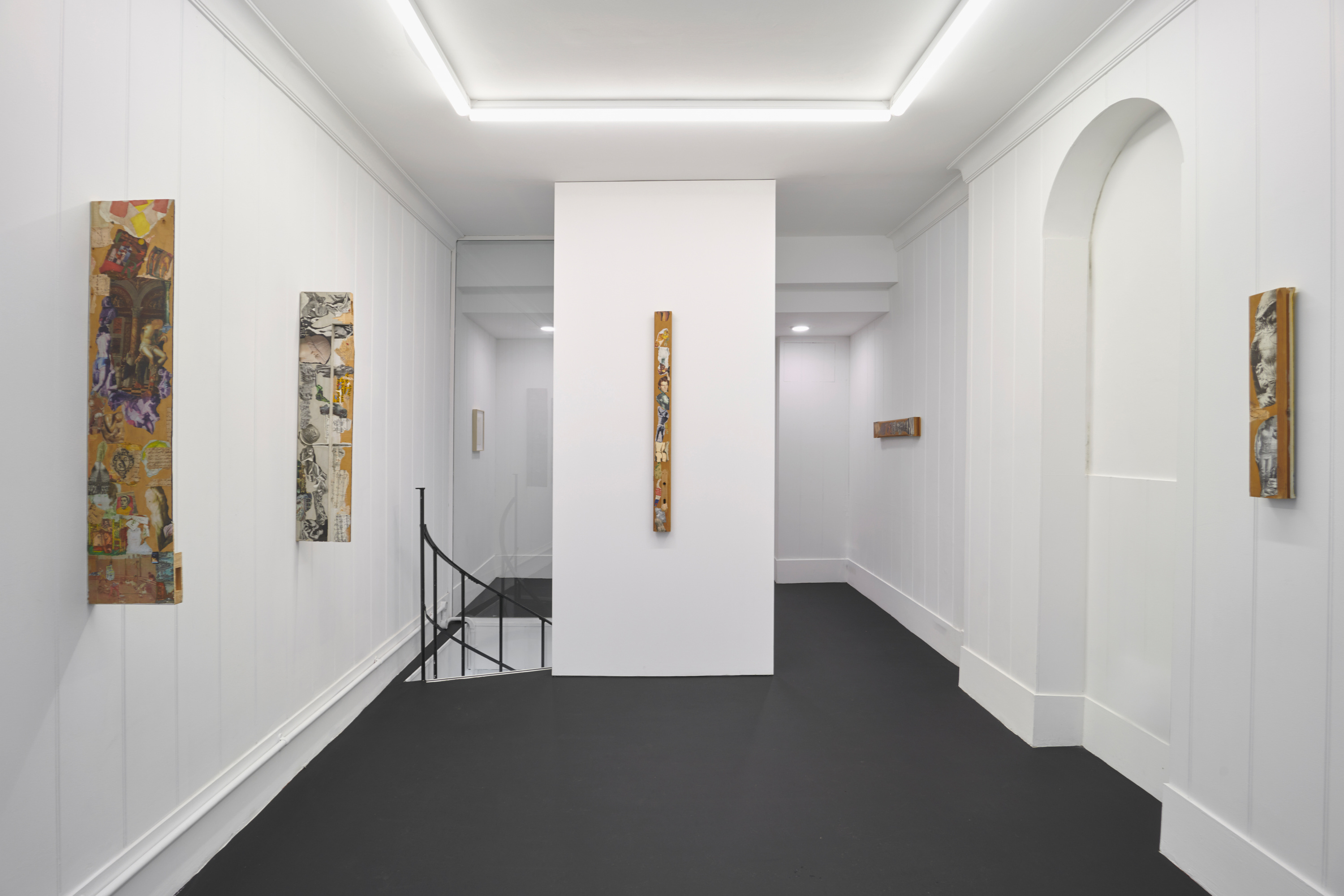
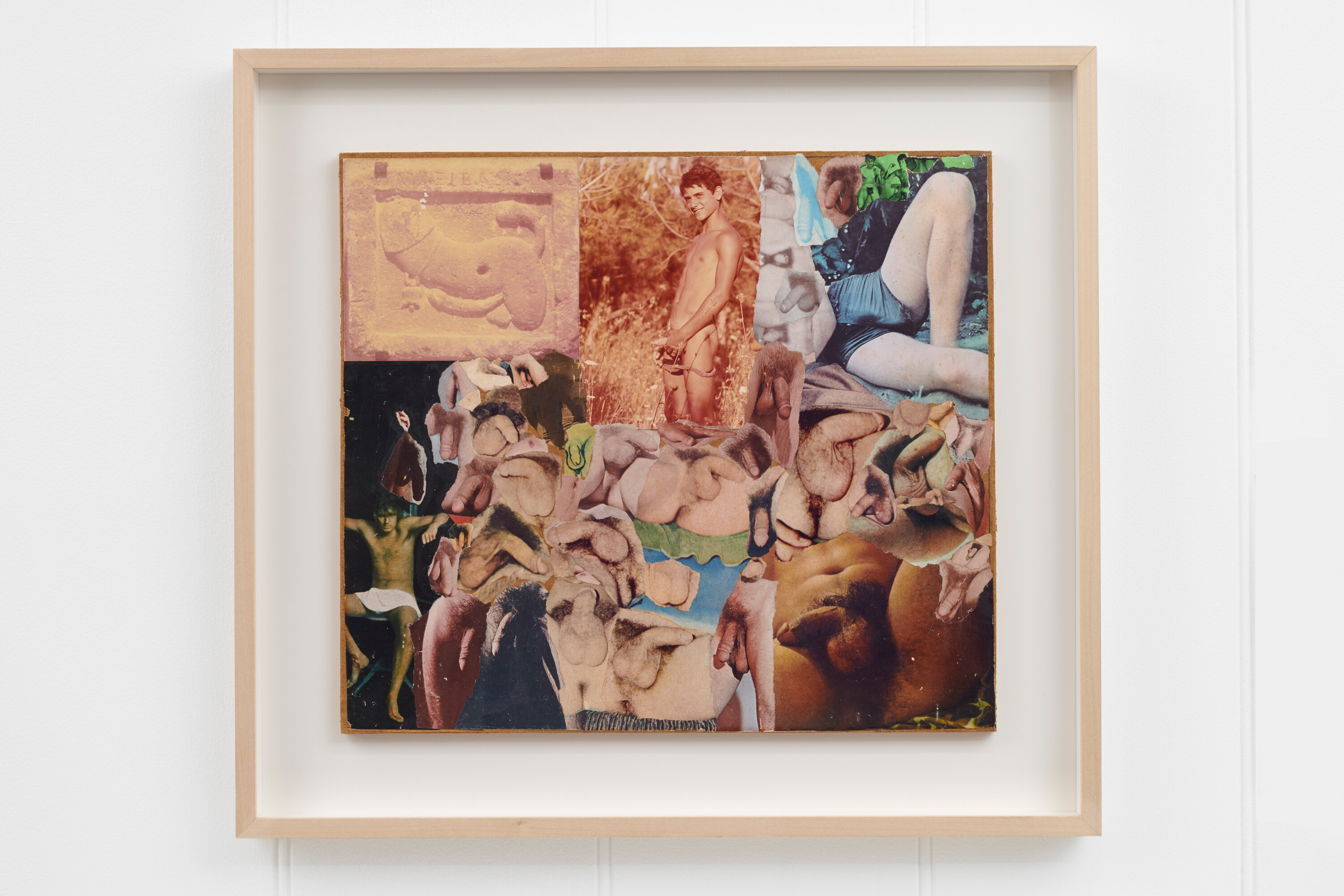
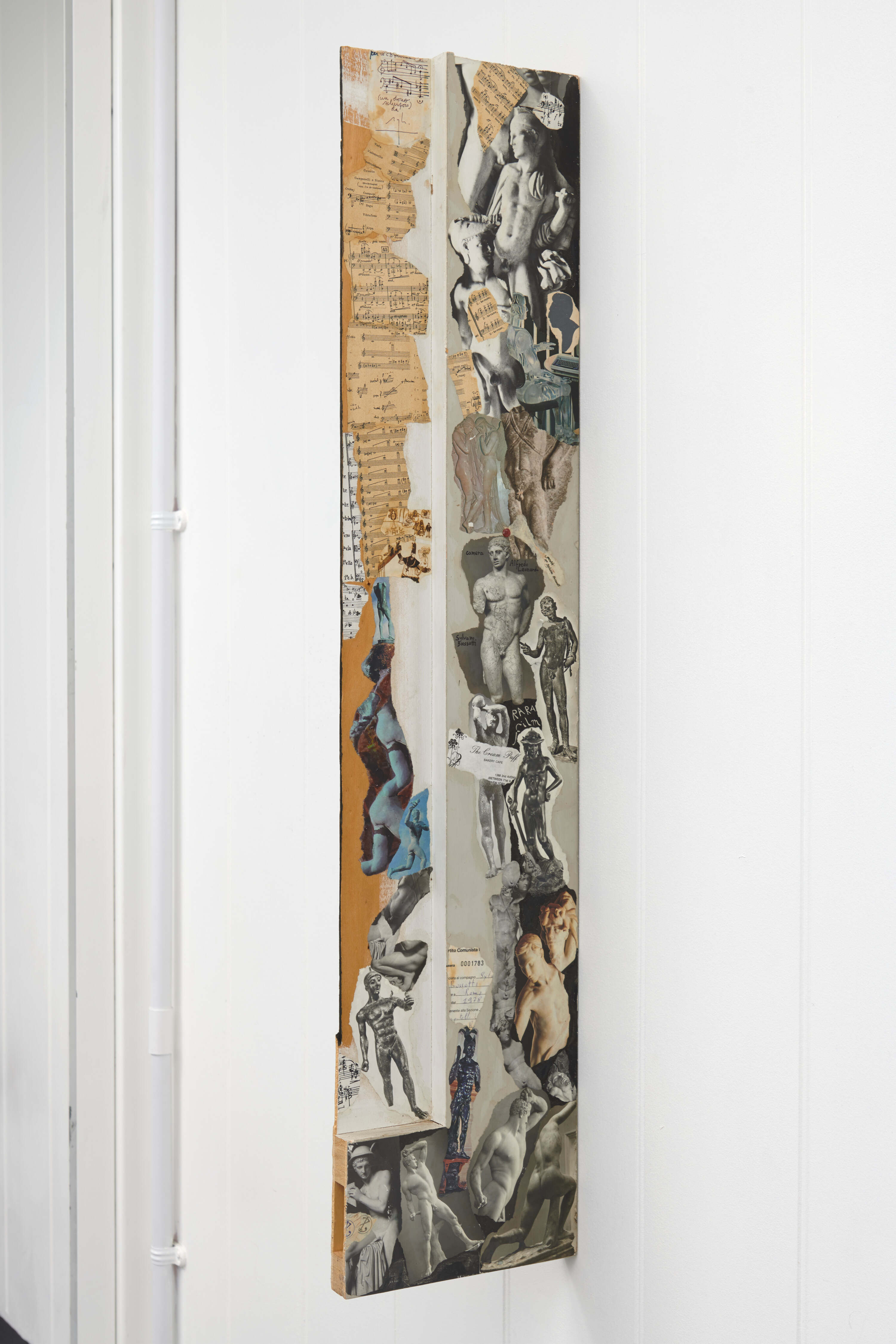
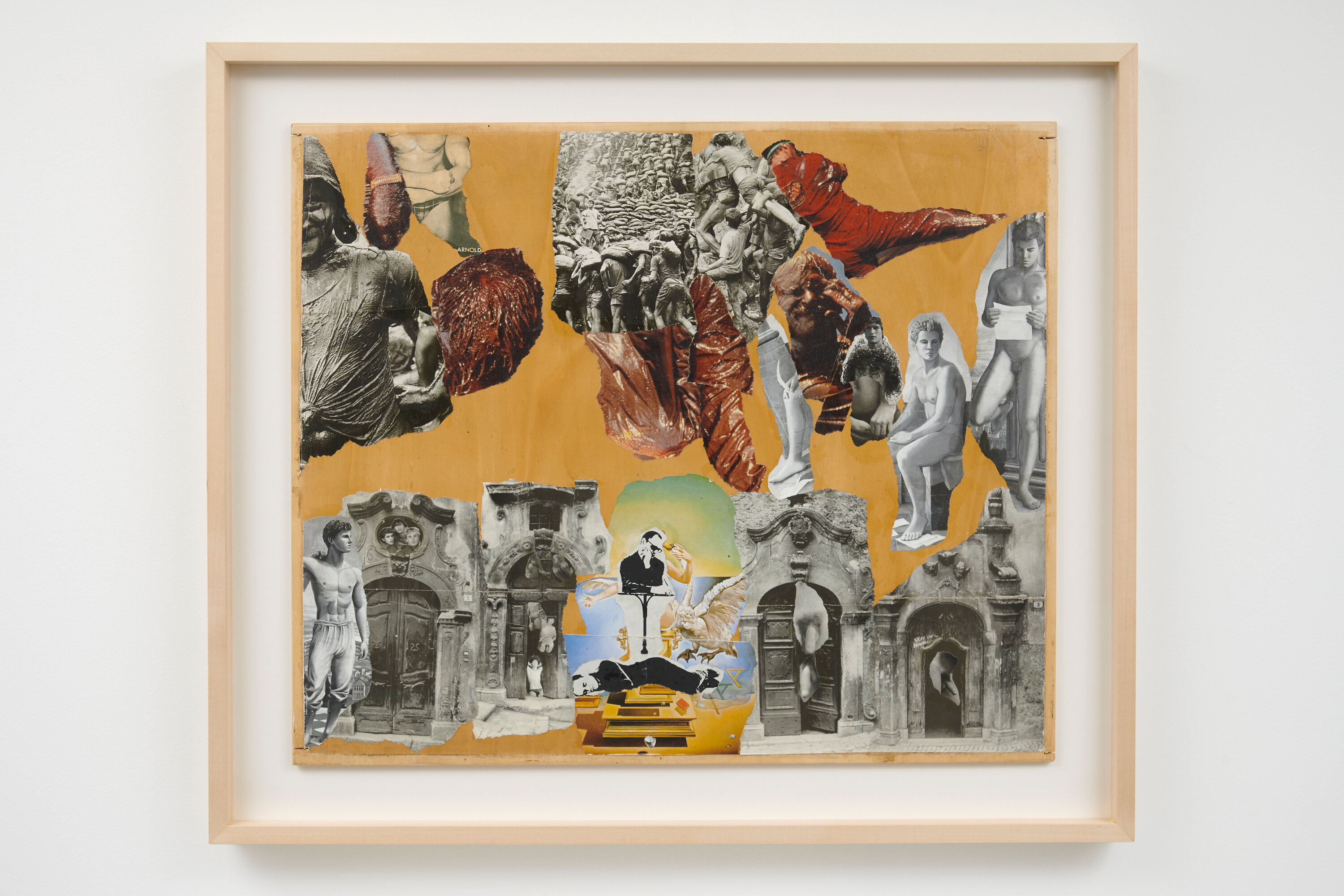
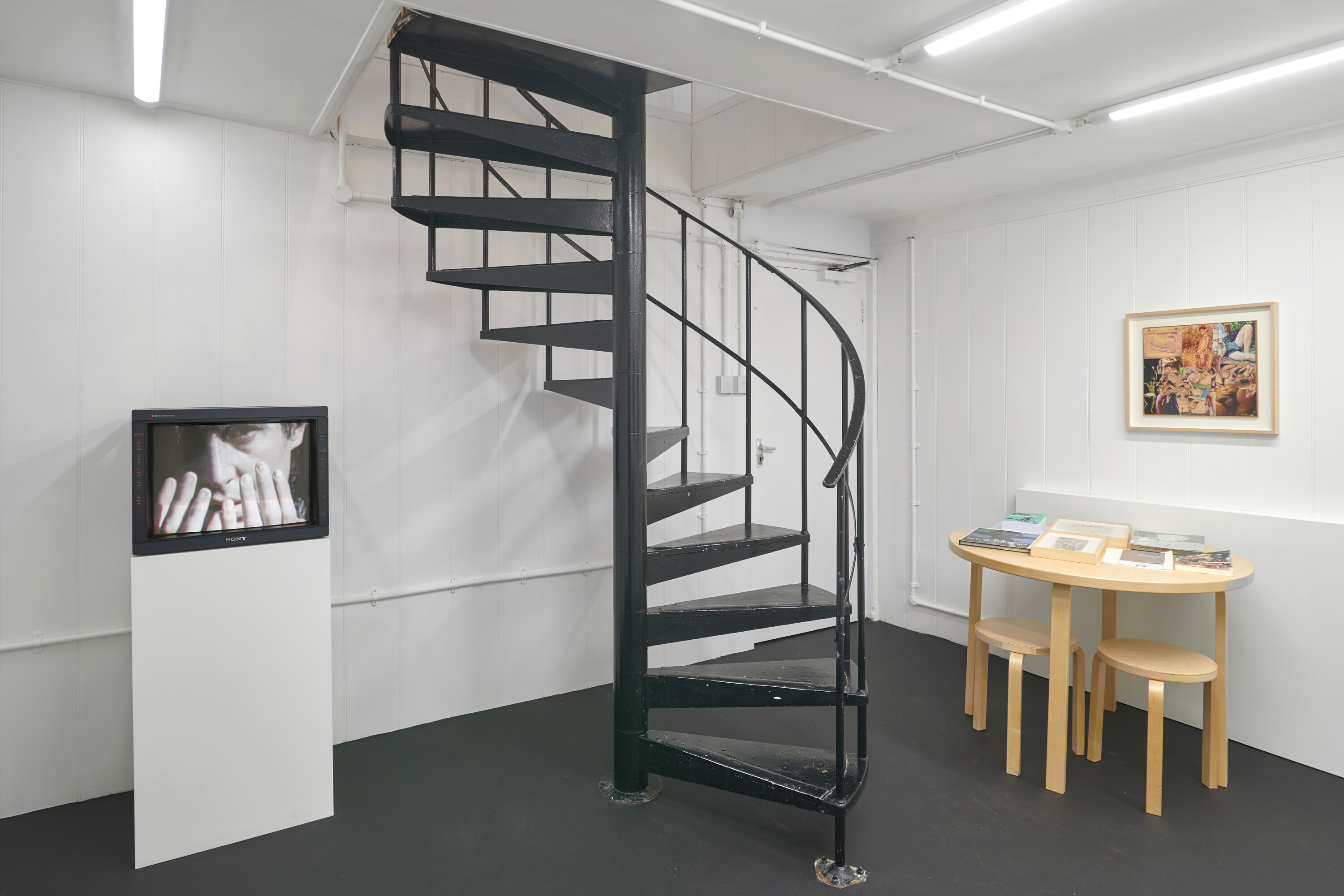
1 / 0
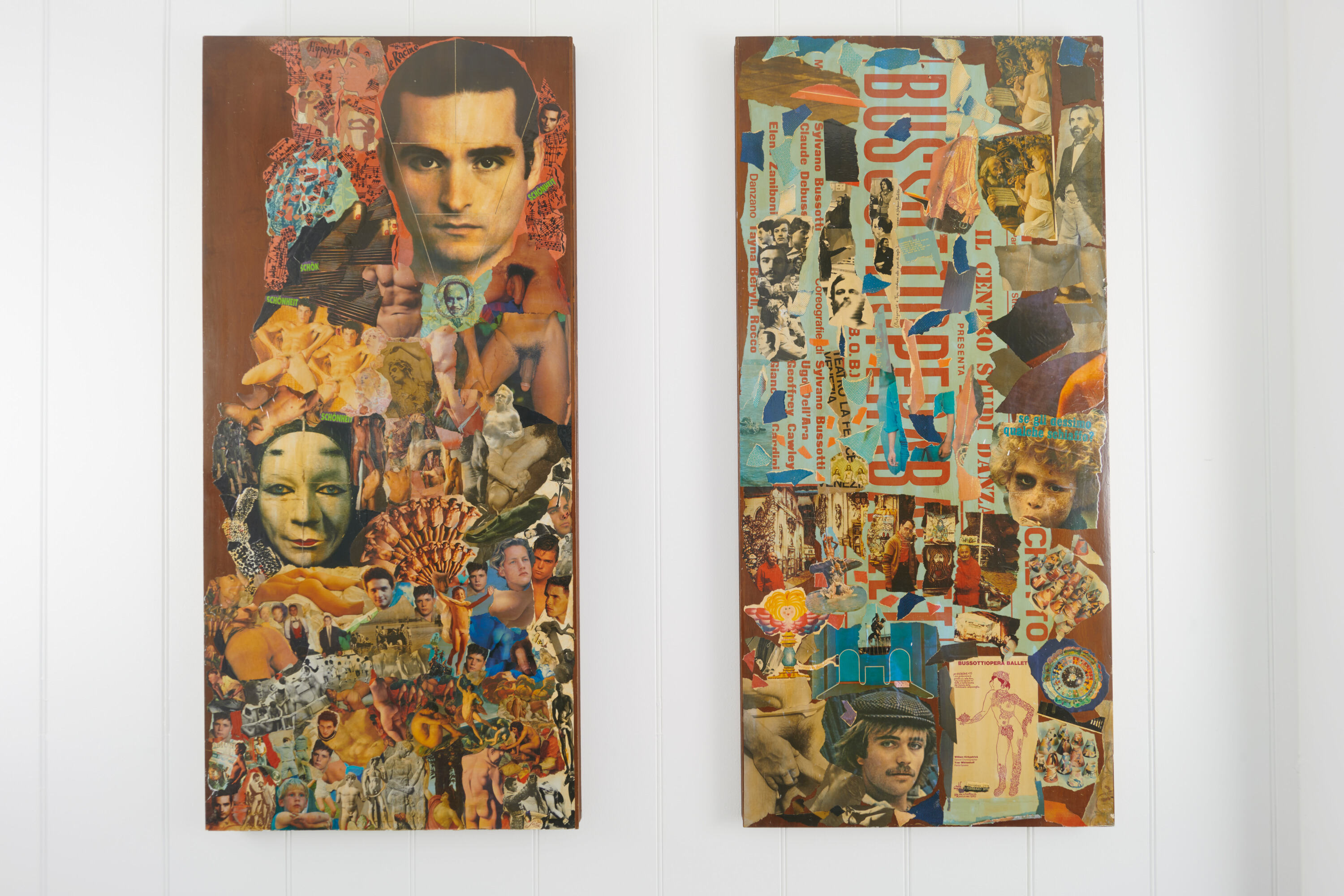
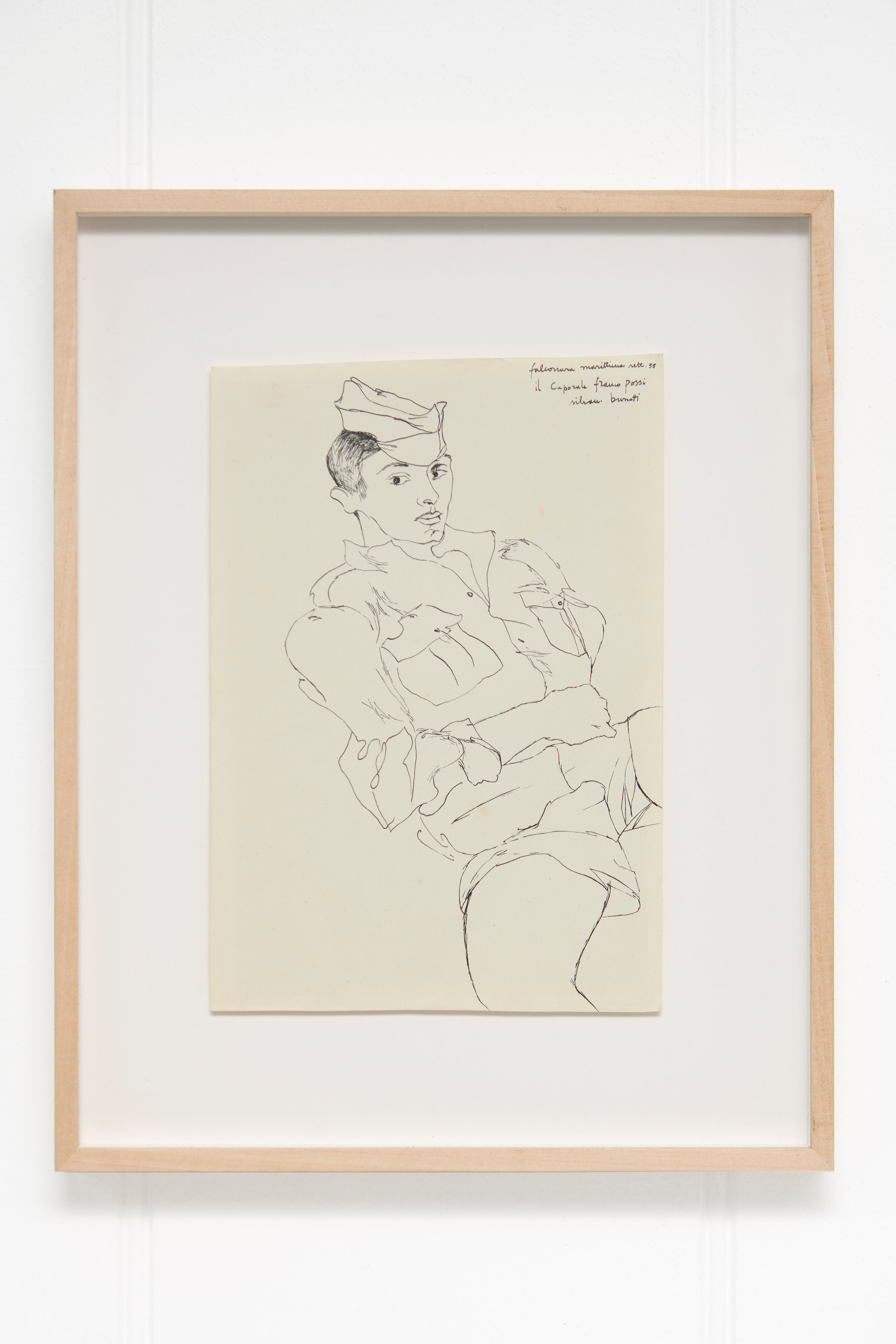
Collage, to Sylvano Bussotti (b.1931–d.2021), was not an autonomous act. From the outset of his career, Bussotti—visionary Italian composer, artist, and theatre innovator—rejected the idea of scores as a transparent vehicle for musical execution. Instead, he embraced them as a collage of complex, yet conceptual beliefs, operations and designations. His graphic scores famously operate as intricate visual constructions, oscillating between instruction and autonomy, as between legibility and opacity.
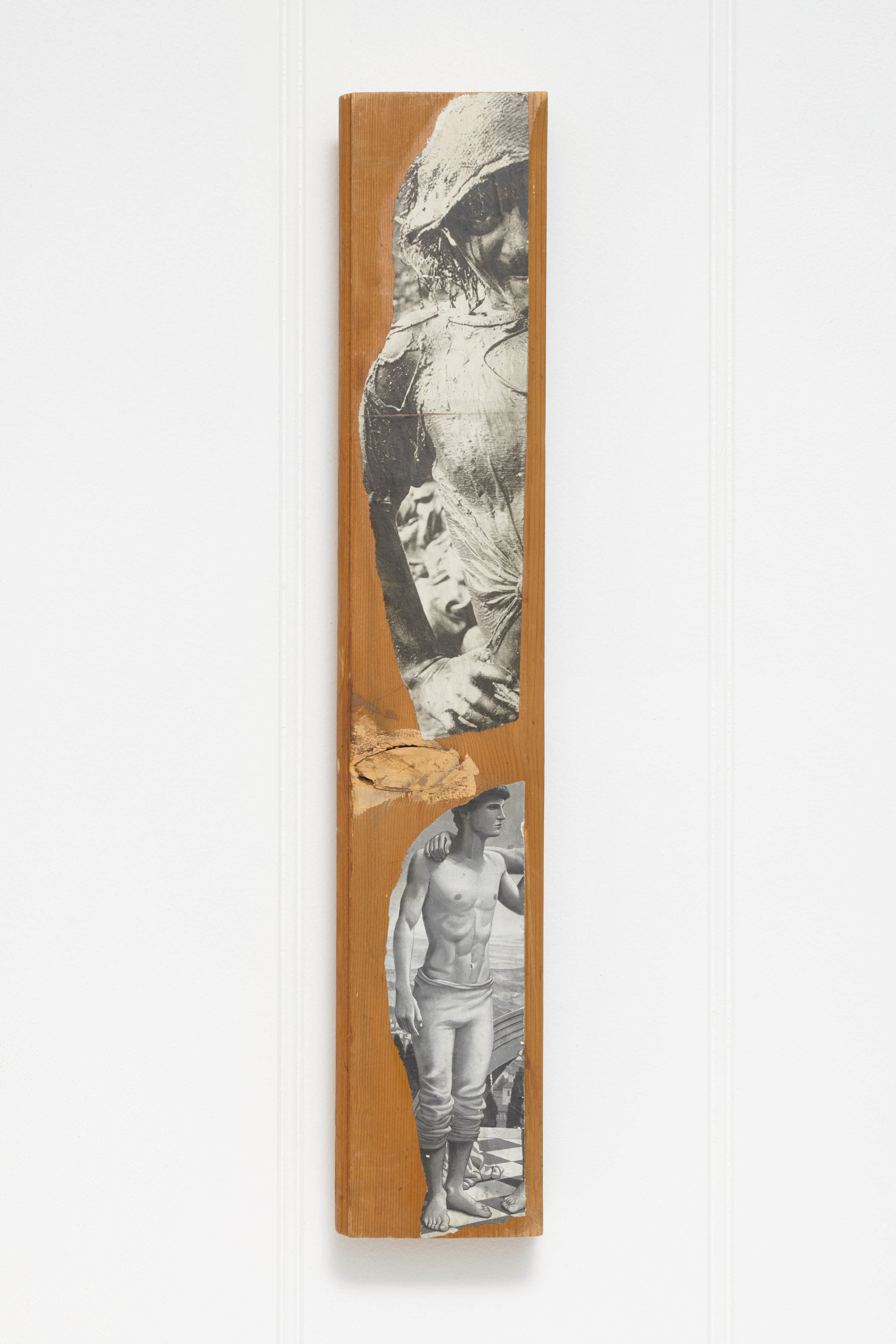
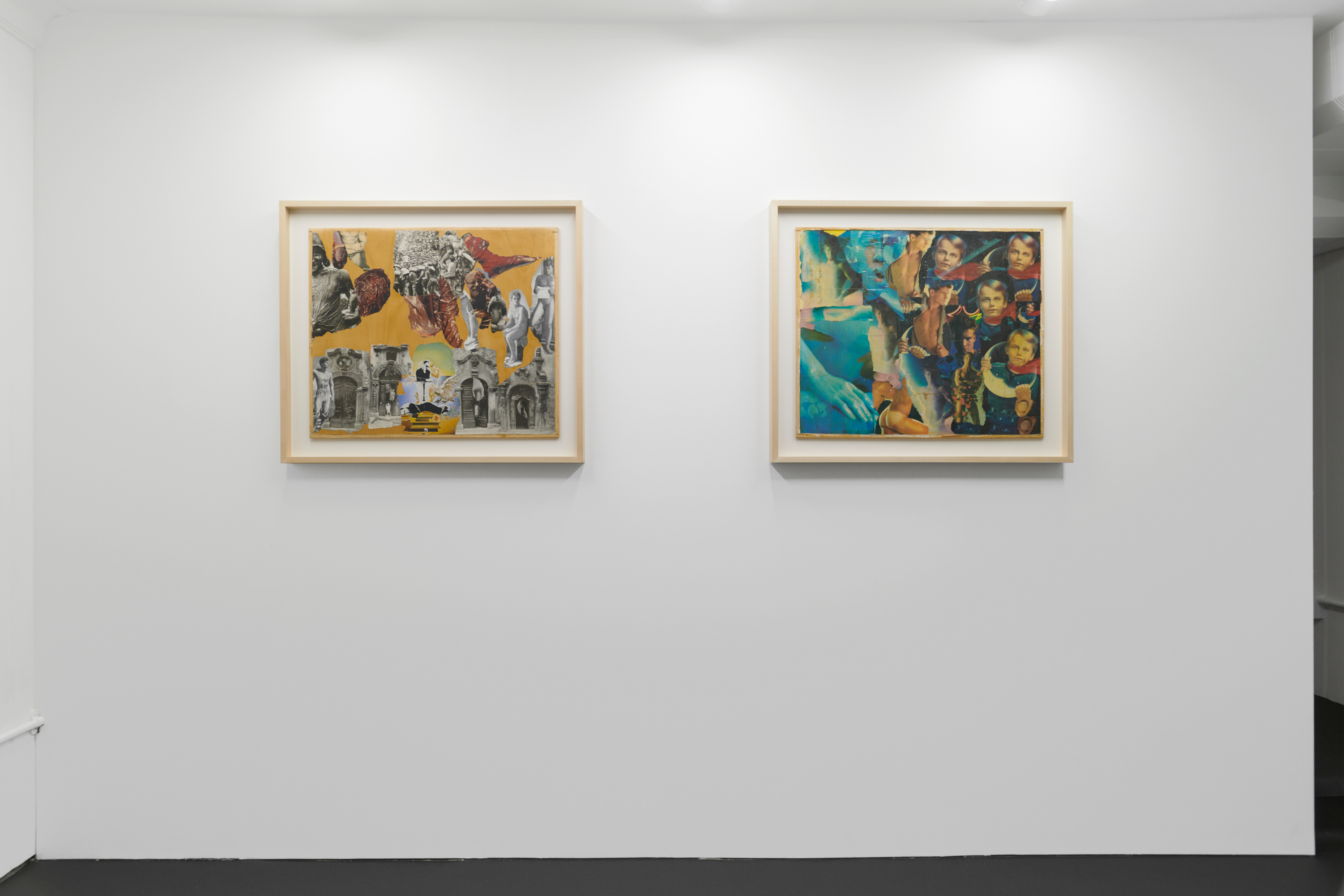
Equally, collage was not just a technique for Bussotti; it was a structural principle that ran through his entire oeuvre: from set design, to painting, to writing, each operation possessing a dramaturgical spirit that glimpsed at Bussotti’s characteristic nature of fragmenting, overlaying, detaching and attaching again. The works on view here, all made in the 1990s, are not discrete visual objects, they must instead be read as sites where notation, image, body, and desire converge in composition.
The works do not simply represent theatricality; they perform it. The collage functions as a condensed stage on which disparate elements encounter one another, collide, overlap, and sometimes even efface each other. Figures are cut, truncated, eroticised; symbols are displaced from their original contexts; musical signs lose their purely functional role and acquire a sensual, almost corporeal presence.
What emerges is a visual dramaturgy in which the act of looking mirrors the act of listening to Bussotti’s music: attentive, unstable, and prone to interruption.
Eroticism plays a crucial role in this dramaturgy. Bussotti’s collages are imbued with a frank and often transgressive sensuality that cannot be separated from their formal construction. Bodies appear fragmented, stylized, or partially concealed; desire is suggested through gesture, posture, and proximity rather than narrative. This erotic charge is not decorative. It is structural. It reflects Bussotti’s conception of composition as a corporeal practice and his resistance to any division between formal invention and lived experience.
Equally this logic of collage extends beyond the page and into Bussotti’s cinematic practice, most notably in his film first feature Rara (1969), made to be shown with an Ensemble of musicians. Shot in Rome and made in the years immediately following Fellini’s La Dolce Vita, Rara is an experiment in combining the ambient and the purposeful. Destabilising narrative and eroding all forms of sequencing, the film contains an innocence - a type of pure, unrestrained, happiness, while also digging into the erotic. Bodies, gestures, symbols, and rhythms are all juxtaposed without continuity, producing meaning only through amalgamation, almost like a graphic score in motion, where images are read rather than followed, and where perception oscillates between attention and disorientation.
All Bussotti’s works are decisively layered: their inundated forms are purposeful. There is no resolve, only abundant interpretations.
Sylvano Bussotti (Florence, 1931–2021) was an Italian multidisciplinary artist whose practice spanned music, visualart, and theatre. He collaborated with leading cultural figures including John Cage, Pierre Boulez, Federico Fellini,Filippo de Pisis, Carmelo Bene, and Cathy Berberian. In 1964–65, he was awarded a Rockefeller Foundation grant inNew York City, followed by a Ford Foundation DAAD fellowship in Berlin in 1972. Bussotti served as Artistic Director of Teatro La Fenice in Venice, the Venice Biennale, and the Puccini Festival in Torredel Lago. His operas, ballets, and concerts were staged at prestigious institutions such as Teatro Regio in Turin, TeatroLa Fenice in Venice, Arena di Verona, Gran Teatre del Liceu in Barcelona, Teatro de la Zarzuela in Madrid, Teatro allaScala in Milan, and Teatro Lirico di Palermo. Among his most celebrated theatrical works are La Passion Selon Sade (1965), Lorenzaccio (1972), Oggetto Amato(1975), Rarafonìa (1977), and L’Ispirazione (1988), all of which integrated innovative set design and multimediaelements. As a visual artist, his first exhibition was held in 1962 at Galleria Numero in Rome with Giorgio Chiari. More recently,his multidisciplinary practice was featured in a dedicated monographic section at the XVII Quadriennale in Rome (2020), curated by Sarah Cosulich and Stefano Collicelli Cagol.
Photo credits Andy Keate